
Product & Solution
APITAL designs, deploys, and optimize Communication Based Train Control (CBTC/PTC) system with the global signal engineering and data engineering experience to bring rail industry rapidly into a digital world.
APITAL Rail Simulation System
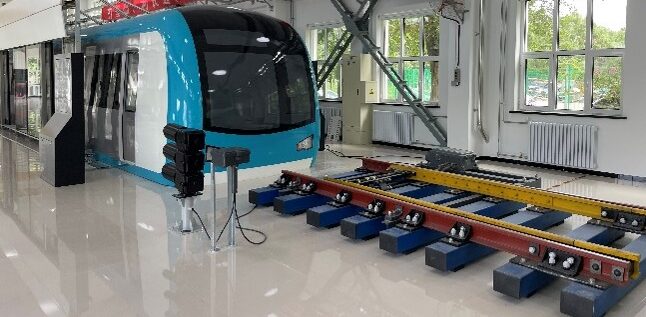
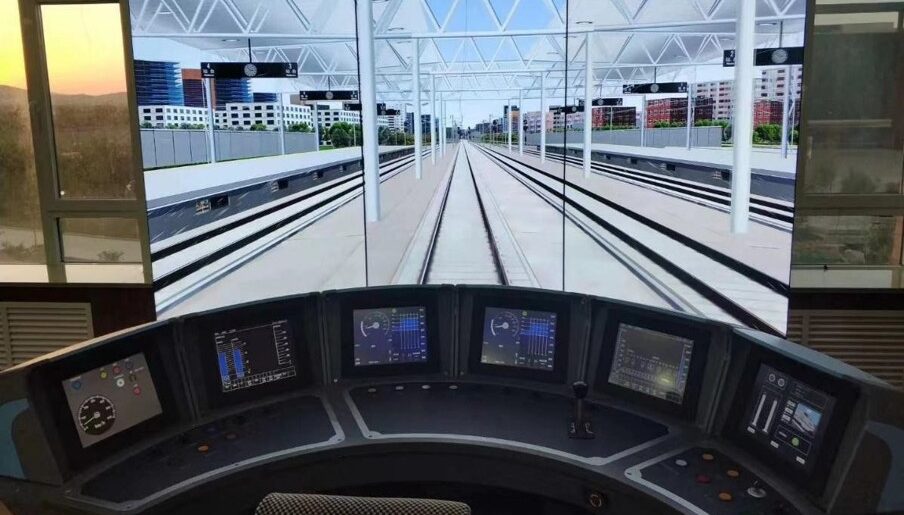
1. High-Fidelity Train Driving Simulation
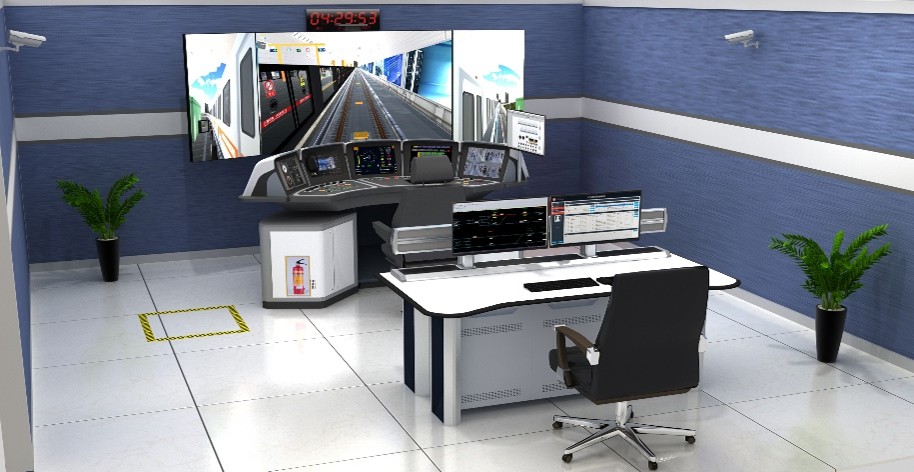
Includes a virtual driver’s desk with realistic controls, HMI interfaces, and synchronized 3D visual scenery. Supports routine driving, signal-based operations, timetable adherence, headway control, emergency stops, operator center drills, and failure scenarios.
Train operators require immersive, interactive simulation training that replicates real-world scenarios to develop the core skills needed for complex human-machine operations. Simulators allows for multi-role and complex interactive training that replicates real-life situations.
2. Modular ATC Subsystem
Zone Controller Simulator: Simulates area control logic including track occupancy updates, temporary speed restriction issuance, CBTC-compliant movement authority calculations, train deregistration, communications supervision, and more.
Interlocking Simulator: Manages route setting, switch and signal control, automatic routing, manual mode overrides, and fault injection for trackside devices, from legacy to advanced signaling systems.
On-Board Controller Simulator: Models onboard train logic—position estimation, overspeed protection, door/shield-door coordination, integrity checks, driving-mode handling, emergency braking, and failure simulation.
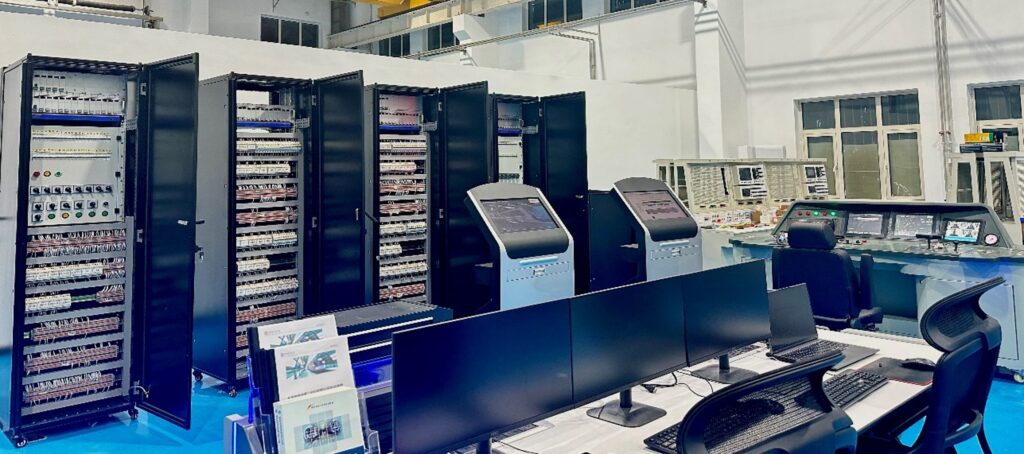
3. Full-Featured Station/Trackside Device Simulator
Demonstrates, controls, and simulates faults in trackside devices. Displays real-time device status tied to a database of equipment—ideal for operational training and maintenance.
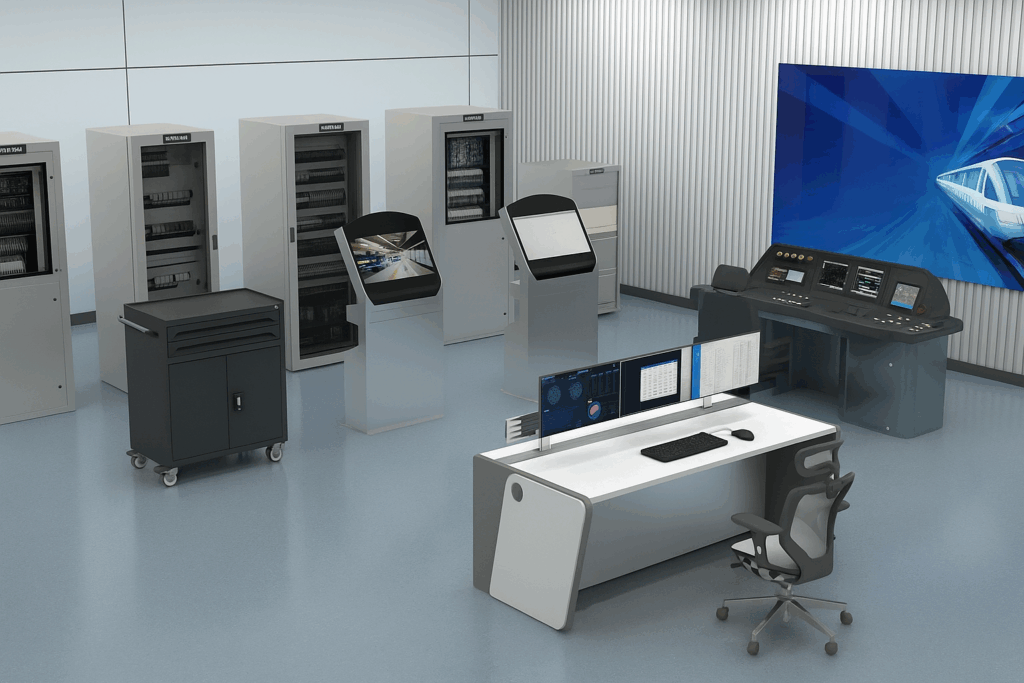
4. Central Operator Training Workstation
Provides tools for train movement visualization, route command issuance, timetable and service adjustments, querying train status, automatic monitoring, departure timers, temporary speed zones, service stats, depot logistics, and alarms—great for classroom or control-center replication.
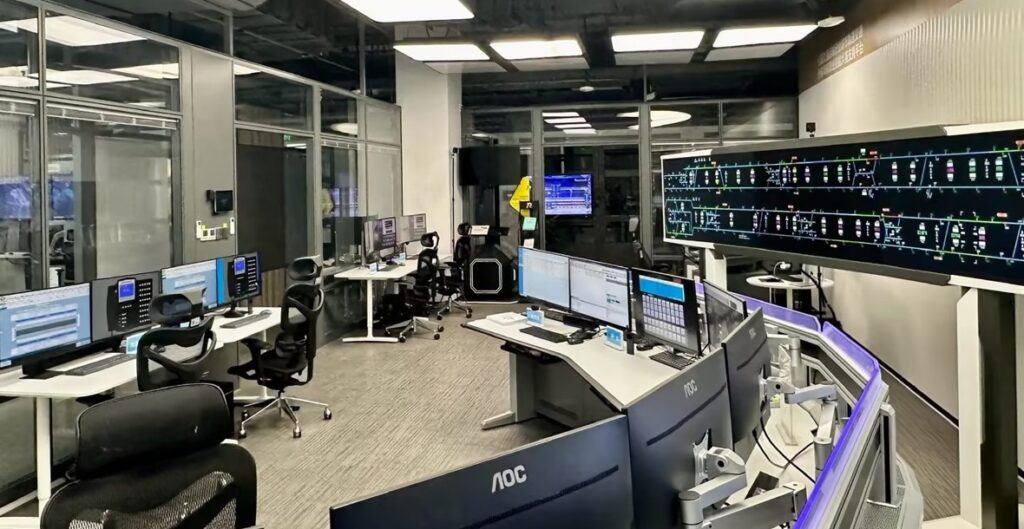
5. Integrated Multi-Role Simulation for Rail transit
This system combines ATC signal simulation, train driving simulation, and central operator simulation into a cohesive platform. These subsystems communicate, enabling simultaneous, real-time interactions between drivers and central operators. This integration provides instructors with the capability to simulate failures and coordinate between driver simulators and control-center environments—perfect for realistic, coordinated emergency drills.
Key Advantages
Seamless Driver–Central Operator Coordination: Enables linked simulation where train operator and central operator interact in real-time.
Deep Signal Logic & Fault Coverage: Covers full-range ATC/CBTC functionalities, from zone control to onboard protections and station-side diagnostics.
Comprehensive Scenario Design: Failure simulation across systems enables rich training scenarios—staff can rehearse emergencies such as switch/signal failures or door malfunctions.
Tradition Signaling and Train Operation Simulation: Covers conventional signal and interlocking systems. Simulates traditional train operation to prepare for revenue service.